Watch the pre-event recordings
Watch the session recordings from 11 September 2026. Open the playlist menu in the player to choose an available recording.
Open the playlist on YouTube ↗Player blocked? Use the YouTube link to watch.
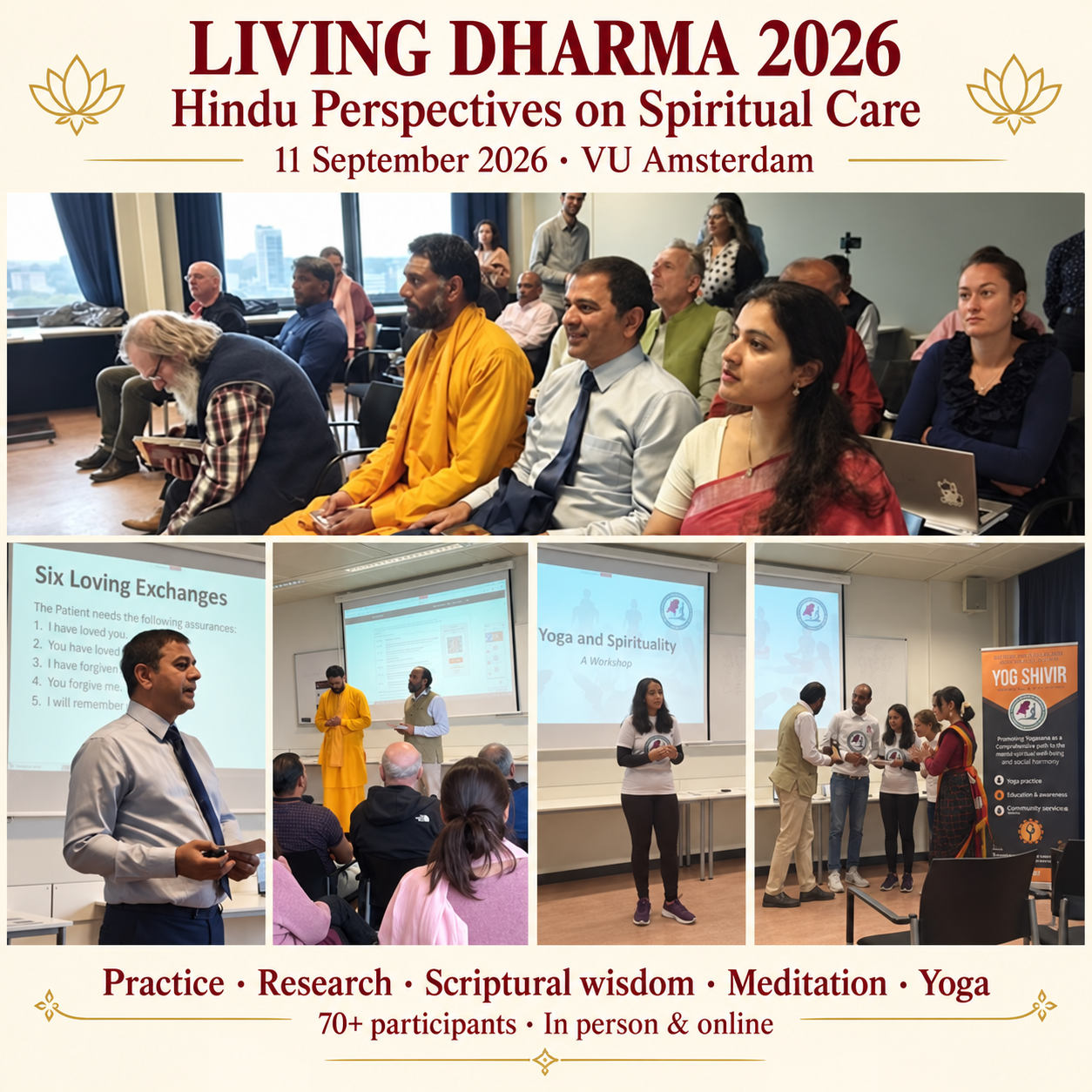
Highlights from the day
- Opening and shared purposeProf. Sharda Nandram situated the day within the Hindu Seminary’s work in education, research and professional practice, connecting philosophy, texts, culture and lived experience.
- Care begins with the personRajesh Kadam drew on Bhaktivedanta Hospital’s experience to explain pancha kosha and care adapted to each patient’s faith and wishes. Responding to immediate practical needs, supporting families at the end of life and caring for caregivers were central themes.
- Research, dharma and ways of knowingDr Puneet K. Bindlish connected atman, karma and dharma with integrative spiritual care. The H-Framework addressed suffering and pathways beyond it; the K-model encouraged humility about what caregivers can know. Dialogue and attentive presence respect the care receiver’s own worldview.
- The Bhagavad Gita in everyday lifeBrahmachari Somesh Chaitanya introduced Gita Panchamrita through Advaita Vedanta, exploring purposeful action, devotion and understanding. Participants reflected on wholehearted effort without becoming consumed by anxiety over results.
- Professional care in dialogueBikram Lalbahadoersing moderated a discussion on listening, interfaith care, guilt, conflicting duties and caregiver well-being. The exchange highlighted professional judgement, context and respect for each person’s choices.
- Meditation, movement and yogaNuthan Manohar guided movement, breath, AUM chanting and quiet awareness. NYSA contributors Ameya Krishna, Ashwini Pathak and Vandana Vyas brought dance, yogasana, breathing and meditation into the day’s shared practice.
- Learning across traditionsA Sikh spiritual-care handout from Gursev Singh, who was unable to attend, was shared after the event and included in the report. It adds perspectives on unity, selfless service, community and resilience.
Moments from 11 September
A selection of photographs from the pre-event at VU Amsterdam. Select a photo to view it larger.
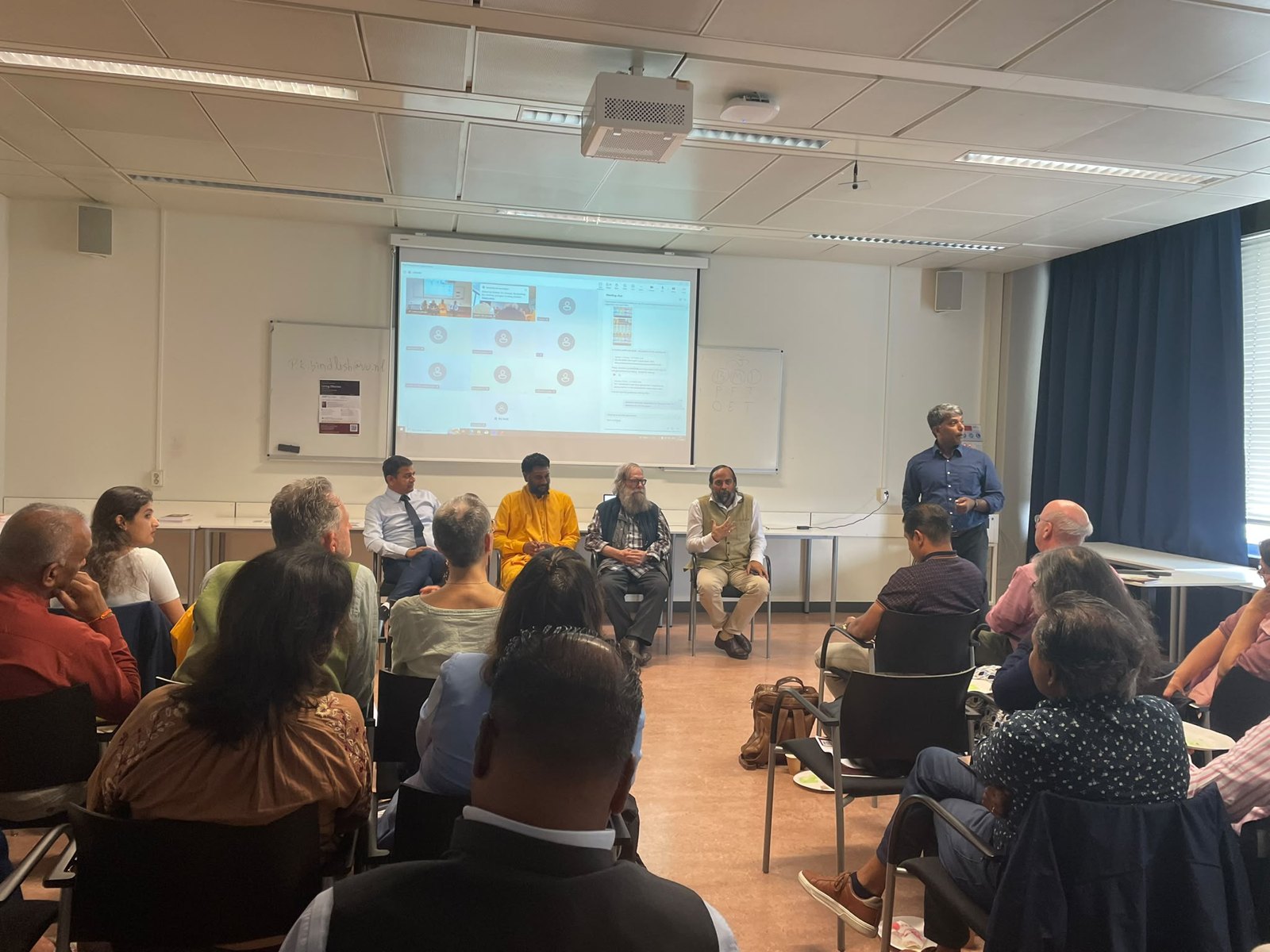
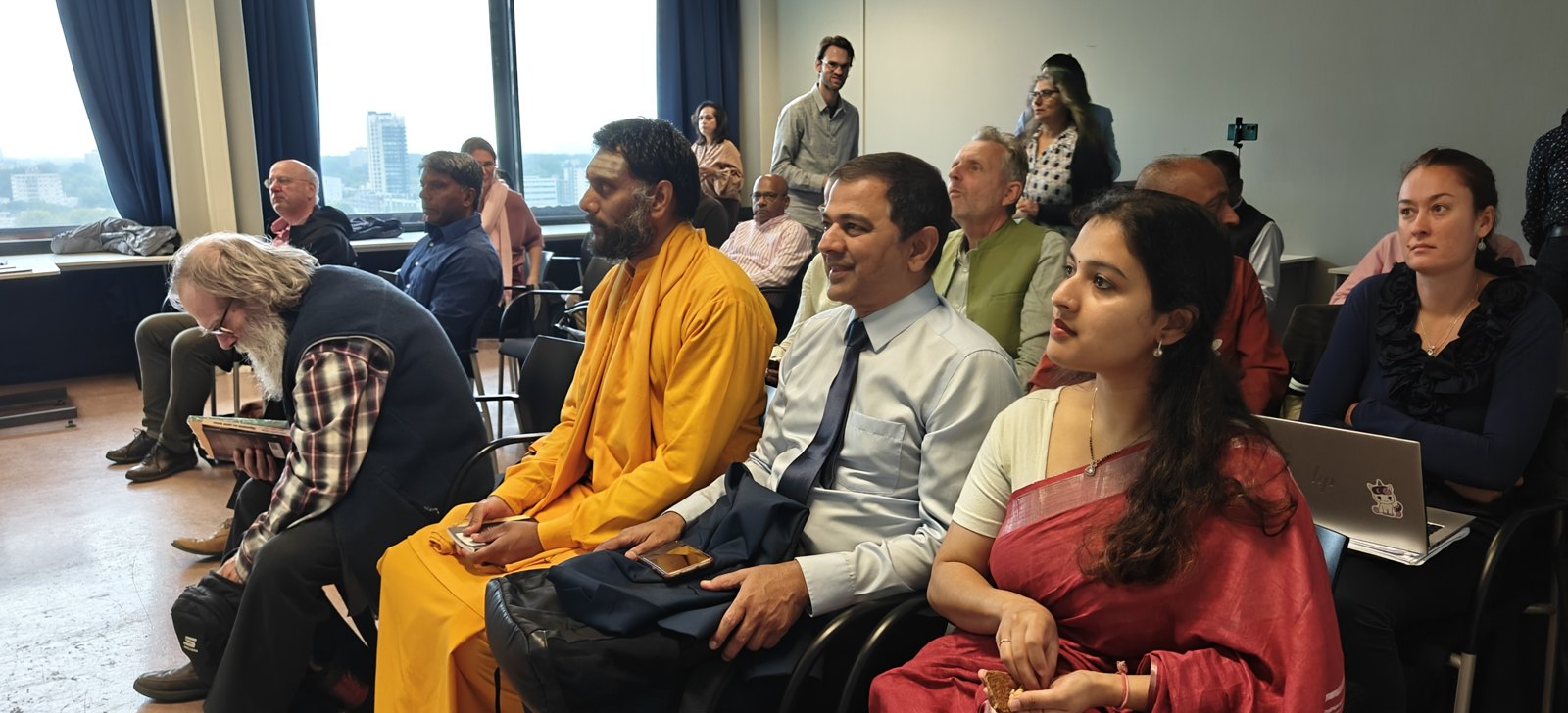
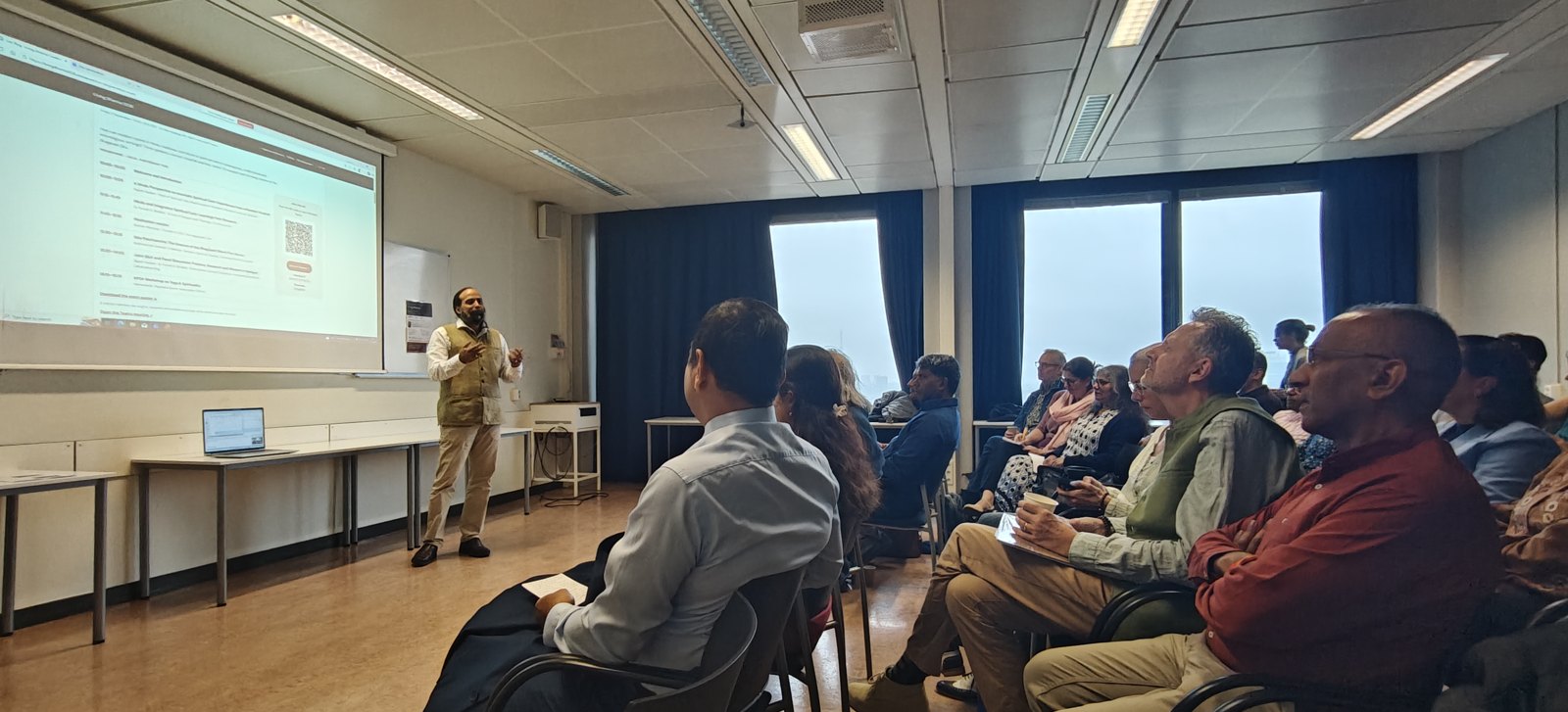
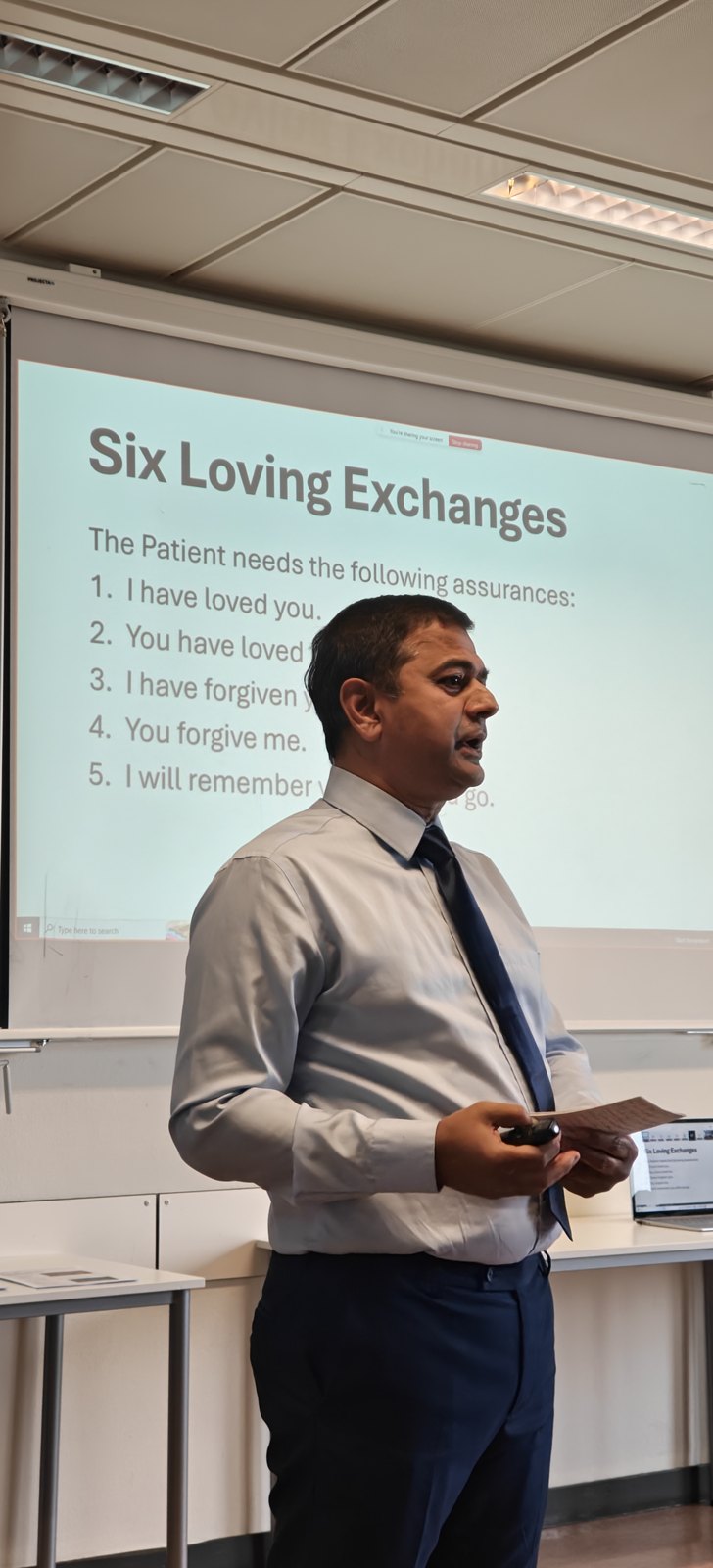
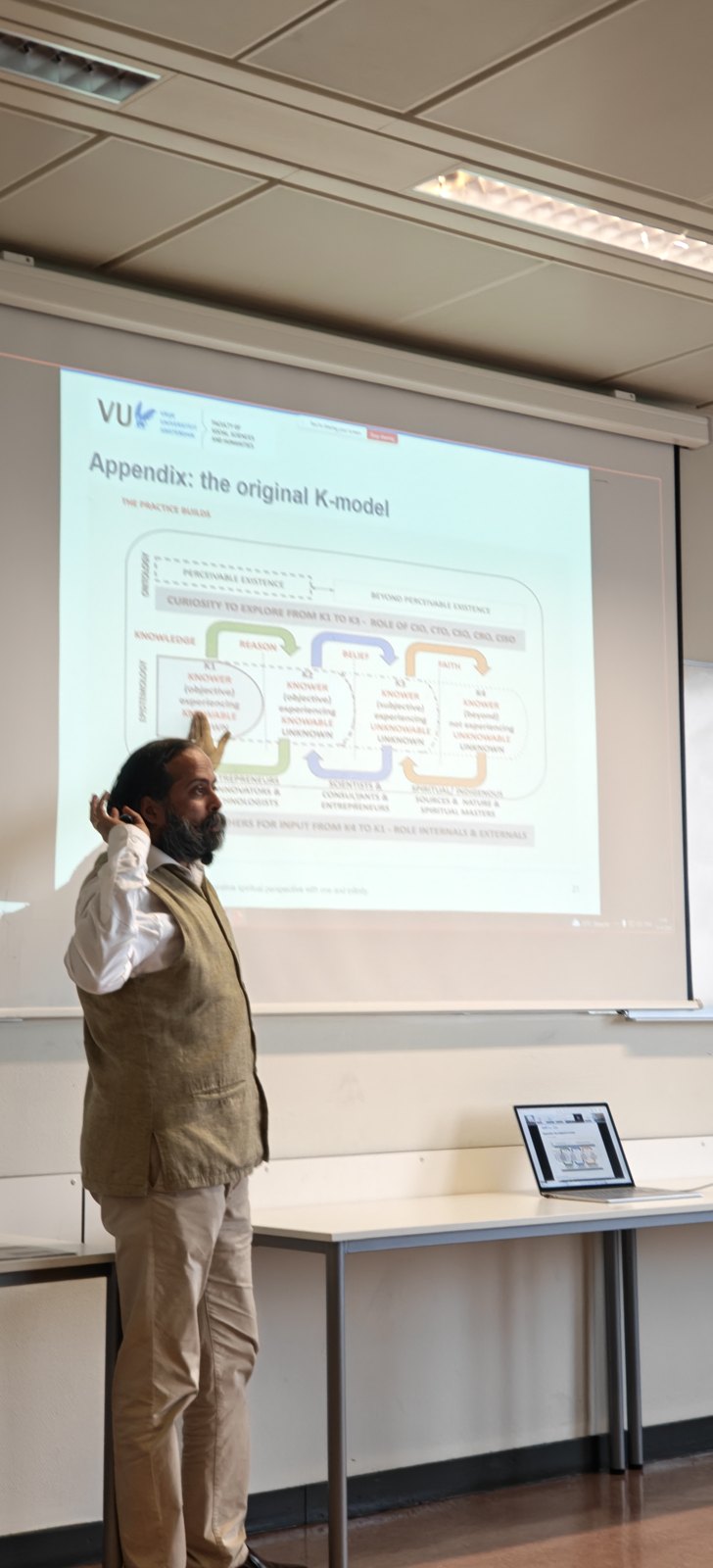
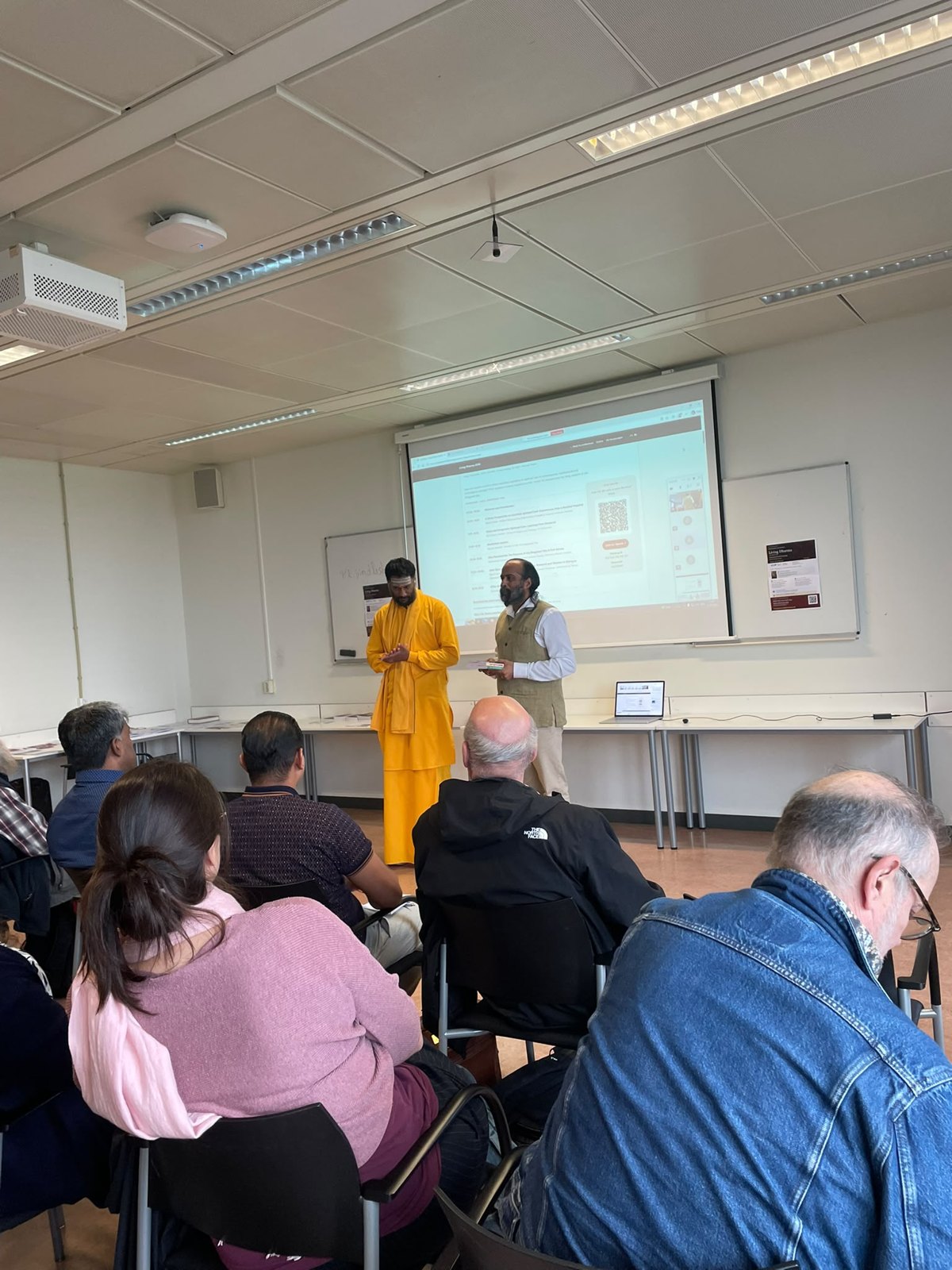
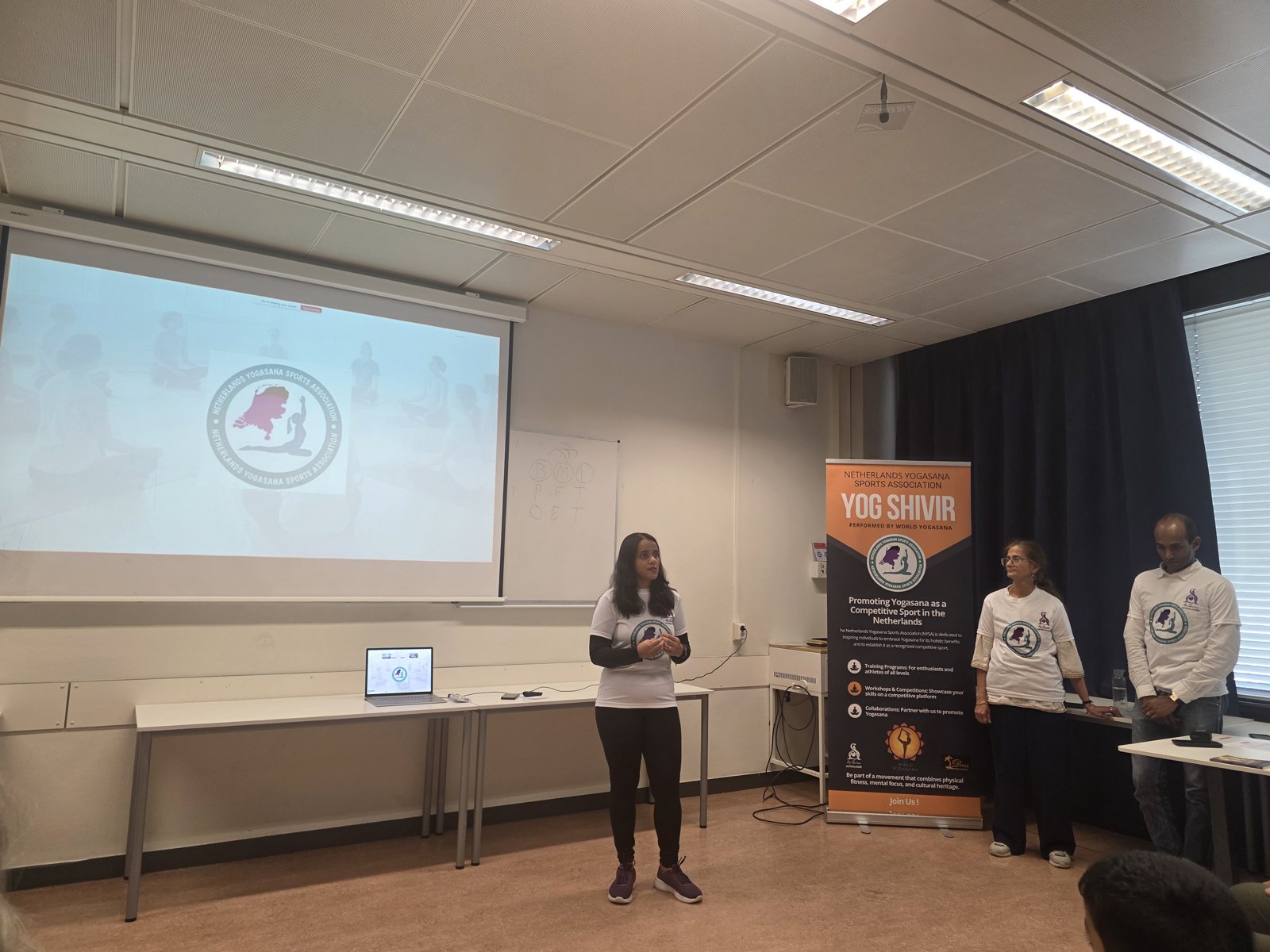
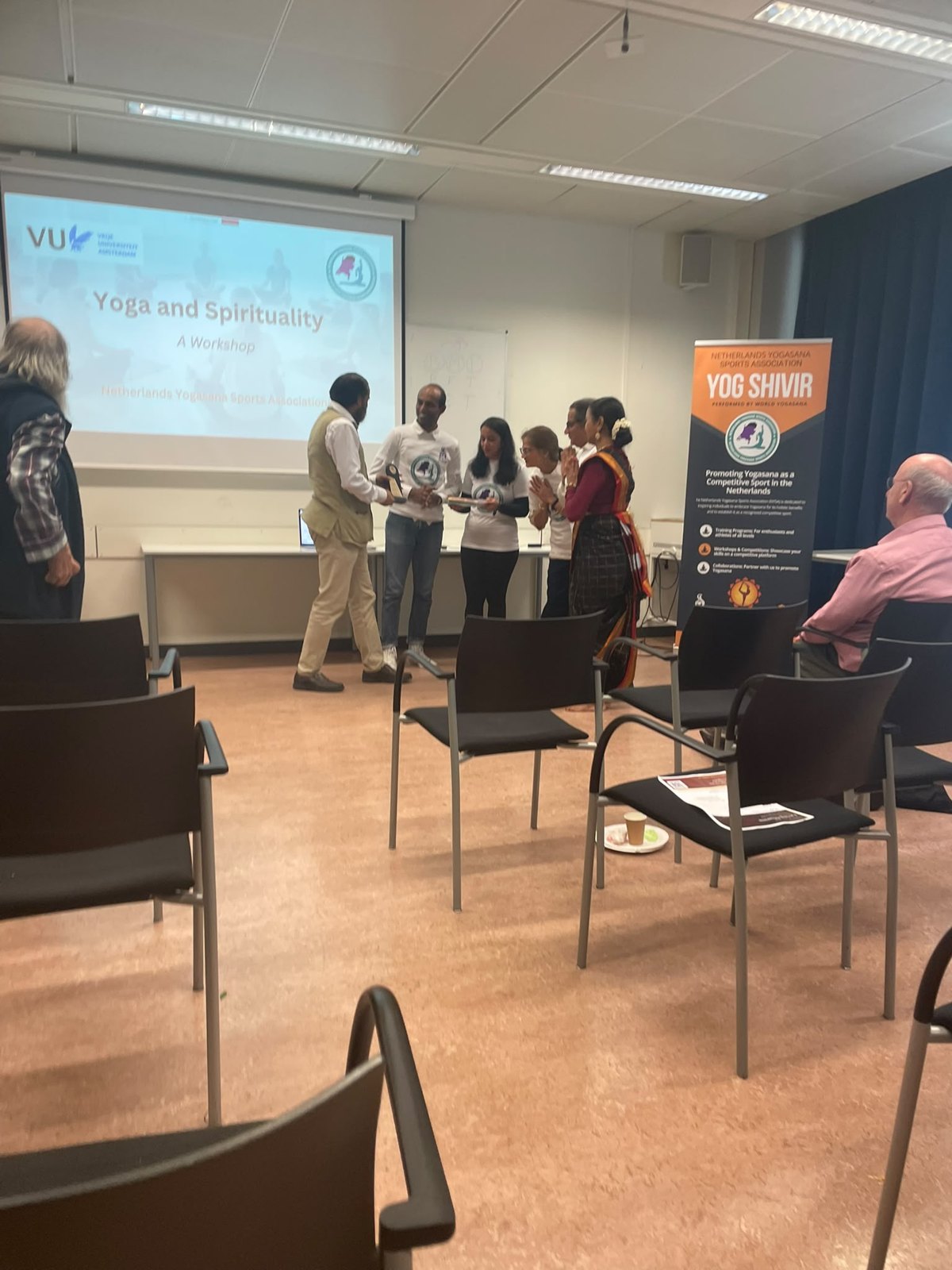
Thank you to all speakers, participants and volunteers. Continue the conversation at Living Dharma 2026 on 20 October.
View the conference programme →For presentations or to share photographs and videos, contact p.k.bindlish@vu.nl.
View the original programme
Welcome and introduction
A Hindu Perspective on Interfaith Spiritual Care: Experiences from a Mumbai HospitalRajesh Kadam · Head of Spiritual Care, Bhaktivedanta Hospital & Research Institute, Mumbai
Hindu and Integrative Spiritual Care: Learnings from ResearchDr Puneet K. Bindlish · School of Religion and Theology, VU Amsterdam
Meditation sessionNuthan Manohar · Founder & CEO, The Happiness Tour
Gita Panchamrita: The Essence of the Bhagavad Gita in Five VersesBrahmachari Somesh Chaitanya · Resident Spiritual Teacher, Chinmaya Mission Sweden
Joint Q&A and Panel Discussion: Practice, Research and Wisdom in DialogueRajesh Kadam · Dr Puneet K. Bindlish · Brahmachari Somesh Chaitanya · moderated by Bikram Lalbahadoersing
NYSA Workshop on Yoga & SpiritualityNetherlands Yogasana Sports Association (NYSA)